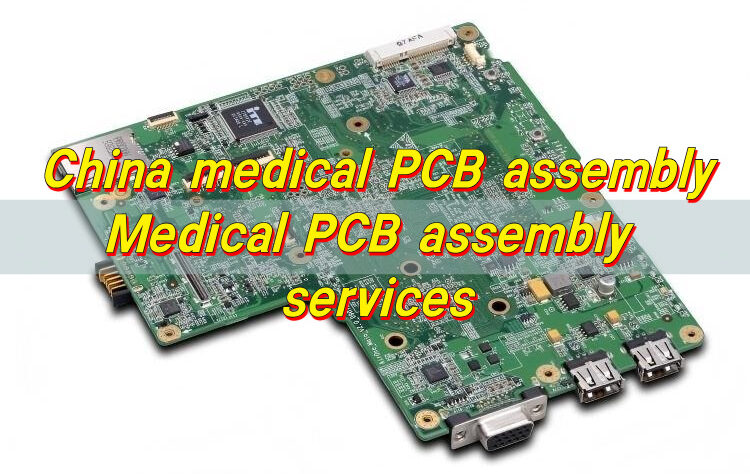
What sets medical PCB assembly apart from standard PCB assembly?
Medical PCB assembly is built around reliability, traceability, process discipline, and long-term performance. A standard consumer electronics board may be designed mainly for cost, speed, and everyday function. A PCB assembly medical device project, however, must support a more controlled use environment. The board may work inside patient monitoring equipment, diagnostic instruments, imaging systems, wearable health devices, infusion systems, dental equipment, laboratory analyzers, or portable medical electronics. In these applications, stable electrical behavior, clean soldering, correct component sourcing, and documented production records matter from the first prototype to the final shipment.
The biggest difference is not only the board itself. It is the manufacturing mindset behind it. Medical PCB assemblies need tighter control over materials, soldering profiles, component approval, cleaning, inspection, packaging, and revision management. The manufacturer has to understand that a small change in a resistor brand, solder paste type, conformal coating, or cleaning method can influence performance, certification work, or future maintenance. That is why a qualified medical device PCB assembly manufacturer usually provides engineering review, DFM feedback, BOM checking, quality records, and full communication before mass production begins.
Medical electronics also require a more mature supply chain. A normal commercial PCB assembly may allow several component substitutions if the electrical value is the same. For medical device PCB assembly, alternates must be reviewed more carefully. Component lifecycle, traceability, compliance status, package consistency, and manufacturer authorization all become part of the decision. This is especially important for long-life medical products, where a device may remain in production, servicing, or field use for many years.
| Comparison Point | Standard PCB Assembly | Medical PCB Assembly |
|---|---|---|
| Main priority | Cost, delivery, general function | Reliability, consistency, documentation, and stable performance |
| Component sourcing | Approved equivalents may be flexible | Approved vendor lists and traceable sourcing are strongly preferred |
| Process control | General SMT and DIP process control | Controlled assembly process with tighter inspection and records |
| Testing | AOI, functional test, or sample testing depending on product | AOI, X-ray, ICT, flying probe, functional test, burn-in, or custom testing based on device needs |
| Documentation | Basic production files and inspection report | BOM records, process logs, quality reports, batch traceability, and change control |
| Risk level | Usually lower in daily consumer use | Higher because the board may support healthcare equipment |
| Supplier expectation | Build according to files | Review, suggest, verify, record, and support engineering decisions |
For this reason, medical PCB assembly services should be selected with more care than ordinary electronics manufacturing. A good supplier does not only place components on a board. It helps customers improve manufacturability, reduce production variation, and prepare the project for stable scaling. EBest Circuit (Best Technology) supports this type of work through PCB fabrication, component sourcing, PCBA production, inspection, and engineering assistance for medical and other high-reliability electronics.
Which medical devices need custom PCB assembly?
Many medical devices need custom PCB assembly because their size, function, sensor interface, power requirement, safety requirement, and communication method are different from standard electronics. A medical monitoring PCB assembly for bedside equipment is not the same as a flexible board used in a wearable patch. A diagnostic analyzer may need stable signal acquisition, while a handheld device may need compact layout, battery management, and low-power operation. Customization allows the PCB and assembly process to match the exact device architecture.
Custom medical PCB assembly is often used when the device has unique mechanical constraints. For example, wearable health products may require thin rigid-flex boards to fit inside compact housings. Imaging modules may require high-density interconnect boards with controlled impedance. Laboratory instruments may need robust connectors, shielded areas, high-reliability solder joints, and stable thermal behavior. Portable medical products often need lightweight boards, fine-pitch components, and secure battery circuits.
Typical medical devices that need custom PCB assembly include:
- Patient monitors, ECG devices, EEG systems, pulse oximeters, and blood pressure monitors
- Diagnostic instruments, laboratory analyzers, medical imaging modules, and test equipment
- Wearable health devices, smart patches, hearing-related electronics, and portable therapy devices
- Infusion pumps, respiratory devices, dental equipment, endoscopy accessories, and rehabilitation systems
- Medical communication modules, sensor boards, control boards, power boards, and human-machine interface boards
The design style also changes by application. A wearable device may focus on compact size, low weight, and soft interconnection. A hospital instrument may focus on stable operation, easy servicing, and strong connector retention. A diagnostic module may need excellent signal integrity, low noise, and repeatable calibration behavior. This is why custom medical device PCB assembly should be reviewed from both engineering and manufacturing perspectives.
EBest Circuit (Best Technology) can support different forms of PCB assembly for medical applications, including rigid PCB assembly, rigid-flex PCB assembly, HDI board assembly, high-frequency board assembly, and turnkey assembly.
For customers looking for the best rigid-flex PCB assembly services for medical devices, supplier experience in lamination control, flexible material handling, assembly fixture design, and final testing is especially valuable. Rigid-flex boards can reduce cable use and save space, but they require experienced process control during fabrication and assembly.
What standards does medical PCB assembly have to follow?
Medical PCB assembly has to follow product requirements, customer requirements, quality system requirements, and market compliance requirements. The exact standards depend on the medical device type, the region where the device will be sold, and the role of the PCB assembly in the final product. A PCB supplier may not certify the complete medical device, but the assembly process should support the customer’s regulatory pathway with stable manufacturing records and controlled production practices.
ISO 13485 is one of the most recognized quality management standards for medical device manufacturing. It focuses on quality control, risk management, documentation, traceability, and consistent production practices. For PCB assembly medical device projects, working with a supplier familiar with ISO 13485 expectations helps improve communication and documentation discipline. ISO 9001 is also commonly used as a baseline quality management system for electronics manufacturing.
IPC standards are also widely used in PCB and PCBA production. IPC-A-610 provides acceptability criteria for electronic assemblies, and many high-reliability boards are built to Class 2 or Class 3 requirements depending on use conditions. IPC-J-STD-001 is often referenced for soldered electrical and electronic assemblies. For bare PCB fabrication, IPC-6012, IPC-6013, and related documents may apply depending on whether the design is rigid, flexible, or rigid-flex. These standards help align expectations for workmanship, solder quality, board acceptance, and inspection.
Medical products may also need to consider electrical safety, electromagnetic compatibility, risk management, and material compliance. IEC 60601-1 is often associated with medical electrical equipment safety. IEC 60601-1-2 relates to EMC requirements for medical electrical equipment. ISO 14971 is commonly used for medical device risk management. RoHS and REACH may apply for material compliance in many markets. The PCB assembly manufacturer should understand how its production records, material control, and change management support the customer’s larger compliance work.
| Standard or Requirement Area | Why It Matters in Medical PCB Assembly |
|---|---|
| ISO 13485 | Supports medical device quality management, documentation, traceability, and process discipline |
| ISO 9001 | Provides a general quality management foundation for manufacturing control |
| IPC-A-610 | Defines acceptance criteria for electronic assemblies and solder workmanship |
| IPC-J-STD-001 | Guides soldering process requirements for reliable electronic assemblies |
| IEC 60601-related requirements | Supports safety and EMC expectations for many medical electrical devices |
| ISO 14971 | Helps customers manage risk across the medical device lifecycle |
| RoHS and REACH | Support material compliance for regulated markets |
| UL, when required | Helps with recognized materials, safety-related component choices, and product market entry |
For practical production, standards are only useful when they are translated into daily action. This means controlled incoming inspection, correct storage of moisture-sensitive devices, calibrated equipment, approved solder profiles, first article inspection, AOI programming, X-ray checking for hidden joints, test fixture validation, and controlled release of finished assemblies. EBest Circuit (Best Technology) integrates these manufacturing controls into its PCB and PCBA services so customers can move from prototype to production with clearer process visibility.
Is automated assembly better for medical PCBs?
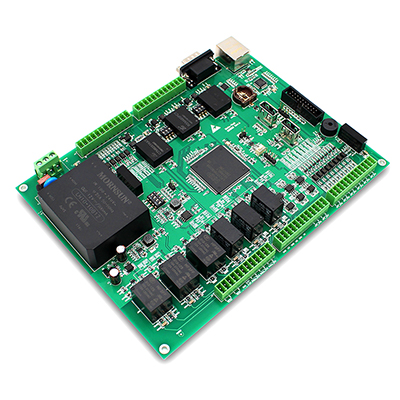
Automated assembly is usually the better choice for most medical PCBs because it gives more repeatable placement accuracy, controlled solder paste printing, stable reflow profiles, and efficient inspection. Medical PCB assembly automation is especially valuable when the board includes fine-pitch ICs, BGAs, small passive components, dense layouts, or high-volume production. Automation helps the manufacturer keep each board close to the same process condition, which is very important for repeatability.
However, automation does not replace engineering judgment. A fully automated SMT line still needs correct stencil design, solder paste selection, feeder setup, component verification, reflow profiling, AOI programming, and quality review. For some medical PCB assemblies, manual work may still be needed for through-hole connectors, wires, shields, mechanical parts, conformal coating, selective soldering, or final device-level integration. The right answer is often a balanced process: use automation where it improves consistency, and use trained manual operations where controlled human work gives better results.
| Assembly Method | Best Use Case | Strength for Medical PCBs | Consideration |
|---|---|---|---|
| Automated SMT assembly | Fine-pitch components, dense layouts, medium to high volume | High repeatability, fast placement, stable process control | Requires accurate programming, proper stencil design, and verified materials |
| Manual assembly | Low-volume builds, special connectors, wires, hand-fit parts | Flexible and useful for complex mechanical steps | Requires skilled operators, work instructions, and careful inspection |
| Selective soldering | Through-hole parts on mixed-technology boards | Consistent soldering for connectors and larger parts | Fixture design and thermal profile control are important |
| Automated optical inspection | Post-placement and post-reflow checking | Quickly detects polarity, missing parts, offset, and solder defects | Needs proper programming and inspection standards |
| X-ray inspection | BGA, QFN, hidden solder joints | Helps verify solder quality under packages | Often used based on package type and product risk |
| Functional testing | Final board behavior verification | Confirms the board performs as intended | Test coverage depends on fixture design and customer requirements |
For prototypes, automation can also be useful because it helps early builds reflect future production conditions. A quick turn medical PCB assembly project may start with a small batch, but if the long-term plan includes production, building early samples with scalable methods makes the transition smoother. The manufacturer can identify stencil issues, placement constraints, component packaging concerns, and test access problems before the design is released.
EBest Circuit (Best Technology) supports medical PCB assembly automation with SMT production, inspection, testing, and engineering review. The goal is not just fast assembly. The stronger goal is controlled assembly. When the same process logic is used from prototype through pilot run and mass production, customers can gain clearer feedback and better confidence in the final build.
What does turnkey medical PCB assembly include?
Turnkey medical PCB assembly means the manufacturer supports more than component placement. It usually includes PCB fabrication, component sourcing, incoming material inspection, SMT assembly, through-hole assembly, cleaning, inspection, testing, packaging, and delivery. In many projects, turnkey service also includes DFM review, BOM optimization, engineering communication, and documentation support. This approach saves time for medical device companies because they do not need to coordinate separate PCB factories, component suppliers, and assembly houses.
A medical PCB assembly turnkey service is especially helpful when the customer wants one accountable partner. If a bare board issue, component issue, or assembly issue appears, the turnkey supplier can review the complete production chain more quickly. This reduces communication gaps and helps engineers solve problems with a complete view of the project. For medical device PCB assembly, this integrated model is often more practical than separating each manufacturing step.
Turnkey service can include:
- PCB fabrication for rigid, flexible, rigid-flex, HDI, high-frequency, ceramic, or metal-core designs
- Component sourcing through approved channels, BOM review, lifecycle checks, and alternative suggestions
- SMT assembly, through-hole assembly, selective soldering, conformal coating, cleaning, and final inspection
- AOI, X-ray, ICT, flying probe, functional testing, burn-in, and customized test fixture support
- Quality documents, production records, traceability files, packing control, and logistics support
The value of turnkey service is strongest when it starts early. Before production, the supplier can check land patterns, component spacing, solder mask openings, fiducials, panel design, test points, impedance requirements, thermal design, connector position, and assembly clearance. These details may look small, but they can influence yield, test coverage, and production stability. Early review gives the customer a better chance to correct issues before the first batch.
EBest Circuit (Best Technology) offers turnkey support for PCB assembly for medical and other high-reliability applications. The company can combine PCB fabrication, component procurement, PCBA assembly, testing, and engineering support into one service flow. For customers developing medical device PCB assembly projects, this can simplify sourcing, shorten communication loops, and provide more consistent records from bare board to finished assembly.
Can I get quick turn medical PCB assembly for prototypes?
Yes, quick turn medical PCB assembly is possible for prototypes, pilot runs, and engineering validation builds. The practical delivery time depends on PCB complexity, material availability, component lead time, surface finish, layer count, assembly density, inspection needs, and test requirements. A simple 2-layer or 4-layer prototype with available components can move quickly. A rigid-flex, HDI, controlled impedance, or high-frequency medical board may need more review and process preparation.
Quick turn does not mean careless work. For medical PCB assemblies, fast delivery should still include DFM checking, BOM verification, material confirmation, SMT preparation, inspection, and basic quality records. The best prototype service balances speed with discipline. A rushed build that skips review may create confusion later. A well-managed quick turn build helps engineers test form, fit, function, firmware, signal behavior, power performance, and assembly feasibility in a useful timeline.
To improve prototype speed, customers can prepare complete and clear files. Gerber or ODB++ data, drill files, pick-and-place files, BOM with manufacturer part numbers, assembly drawings, polarity markings, test instructions, impedance notes, and special process requirements should be shared together. If alternates are acceptable, the customer should define the approval rules in advance. This helps the assembly team quote faster and avoid repeated questions.
Quick turn is also valuable for design iteration. Medical device development often moves through several rounds of prototypes before production approval. Each round may test a different housing, sensor position, connector orientation, battery layout, firmware version, or mechanical fit. When the PCB assembly manufacturer can respond quickly and provide feedback, the customer can improve the design with more confidence.
EBest Circuit (Best Technology) supports quick turn medical PCB assembly for prototype and small-batch needs, depending on project complexity and material readiness. The company’s engineering team can review files before production and suggest improvements for manufacturability. This is helpful for startups, medical equipment developers, and engineering teams that need practical feedback before investing in larger production quantities.
Why choose China manufacturers for medical PCB assembly?
China medical PCB assembly is attractive to many global companies because China has a mature electronics manufacturing ecosystem. Customers can access PCB fabrication, component sourcing, SMT assembly, tooling, testing, cable assembly, enclosure integration, and logistics support in one supply chain region. For medical electronics, this can create practical advantages in speed, engineering response, supplier coordination, and cost control.
The strongest China manufacturers are no longer simple low-cost assembly vendors. Many have invested in automated SMT lines, AOI, X-ray inspection, clean production areas, traceability systems, quality management, and engineering teams. For Western technical teams, the real value is not only price. It is the ability to support prototype, pilot production, design improvement, and scalable manufacturing under one roof.
China manufacturers can also be useful for custom medical PCB assembly because many projects need varied processes. A medical device may require a rigid-flex PCB, fine-pitch BGA assembly, precision connector soldering, conformal coating, functional testing, and controlled packaging. A supplier with broad in-house capability can coordinate these steps more smoothly. This is especially helpful when the project has frequent engineering changes during development.
At the same time, customers should choose carefully. A medical PCB assembly manufacturer should be evaluated by quality system, engineering skill, process capability, traceability, communication, inspection equipment, and willingness to support documentation. The lowest quote is not always the best long-term choice. The better supplier is the one that helps the project become stable, repeatable, and easier to manage.
EBest Circuit (Best Technology) is a China-based PCB and PCBA manufacturer with experience in medical, industrial, automotive, communications, and high-reliability electronics. The company supports PCB fabrication, component sourcing, assembly, inspection, and testing. For customers looking for a medical device PCB assembly manufacturer in China, EBest Circuit (Best Technology) can provide engineering support and turnkey production services that help bridge prototype development and reliable manufacturing.
How does the medical PCB assembly process work step by step?
The medical PCB assembly process works best when it follows a controlled, documented, and reviewable path. The process starts before production. Engineering files are checked, the BOM is reviewed, materials are confirmed, and the assembly method is planned. This early stage is important because it prevents many common production issues and helps the customer understand cost, timeline, and manufacturability.
After file review, the bare PCB is fabricated or prepared for assembly. The manufacturer checks board quality, surface finish, solder mask, copper features, hole quality, and panel format. For rigid-flex or HDI designs, fabrication control is especially important because the board structure itself may be more complex. Once bare boards and components are ready, incoming inspection confirms that materials match the approved build requirements.
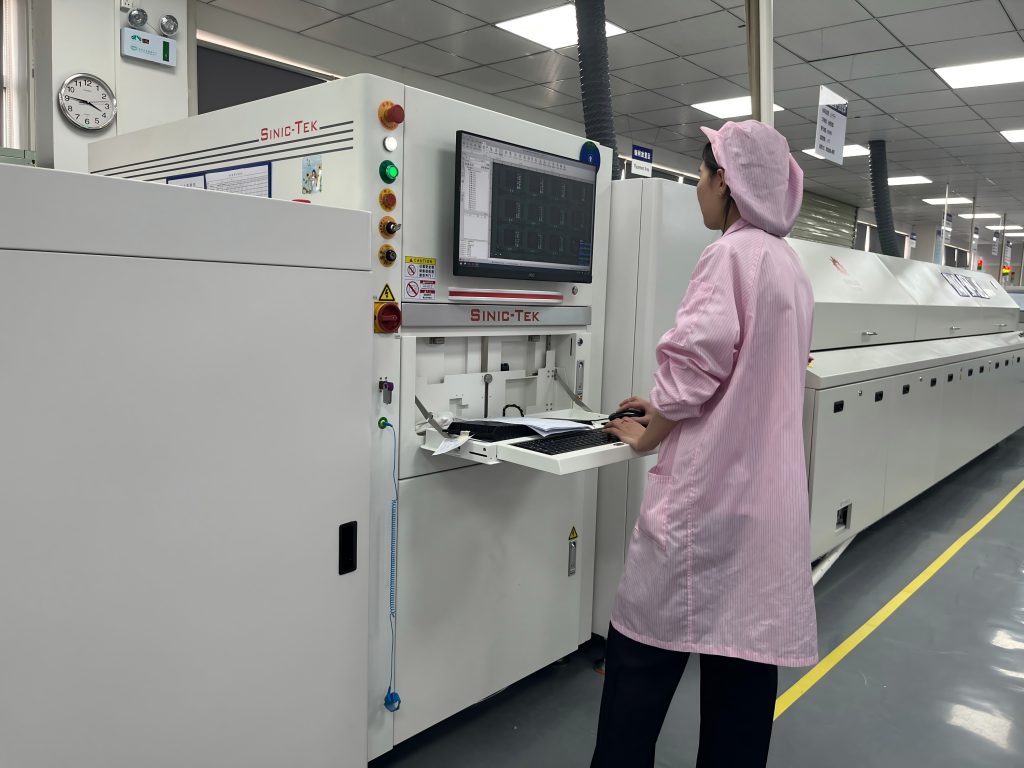
SMT assembly then begins with solder paste printing. A stencil is used to apply solder paste to the pads. The boards pass through solder paste inspection when required, then components are placed by automated equipment. After placement, the boards move through reflow soldering under a controlled thermal profile. The reflow profile must match solder paste, board material, component sensitivity, and thermal mass. After reflow, AOI checks component position, polarity, missing parts, solder bridges, and visible solder quality.
If the board uses BGAs, QFNs, or hidden solder joints, X-ray inspection may be used. Through-hole parts may be soldered manually, by wave soldering, or by selective soldering. Cleaning, conformal coating, programming, calibration, and mechanical assembly may follow depending on the design. Finally, the board is tested through ICT, flying probe, functional test, or a customer-defined test fixture.
A typical step-by-step flow looks like this:
- Engineering file review, DFM analysis, BOM checking, and quotation confirmation.
- PCB fabrication, component sourcing, and incoming quality inspection.
- Stencil preparation, solder paste printing, and solder paste inspection when required.
- SMT component placement, reflow soldering, and AOI inspection.
- X-ray inspection for hidden solder joints such as BGA, QFN, and LGA packages.
- Through-hole assembly, selective soldering, manual soldering, or mechanical assembly.
- Cleaning, conformal coating, firmware programming, calibration, and labeling if required.
- ICT, flying probe, functional test, burn-in, final inspection, packing, and shipment.
The process may change based on the product. A medical monitoring PCB assembly may require sensor calibration and functional test. A portable device may require battery charging test, communication test, and power consumption measurement. A diagnostic instrument board may need signal verification, connector inspection, and long-duration operation testing. The assembly process should always match the device function and risk profile.
EBest Circuit (Best Technology) can support this workflow from early DFM review to finished PCBA delivery. For customers using turnkey medical PCB assembly services, the company can help coordinate PCB fabrication, component sourcing, SMT assembly, inspection, and testing in one manufacturing chain.
What are the benefits of custom medical device PCB assembly?
Custom medical device PCB assembly gives engineers more control over size, function, performance, and product integration. Medical products often need a board that fits a unique enclosure, works with selected sensors, supports specific communication interfaces, and meets defined test requirements. A custom board allows the design team to optimize these details instead of forcing the product around an off-the-shelf solution.
Another benefit is better electrical performance. Medical electronics may process small signals from sensors, electrodes, optical modules, pressure devices, or analog front ends. Custom PCB layout can improve signal routing, grounding, shielding, impedance control, and noise behavior. Power design can also be tailored for battery life, charging safety, isolation, heat control, and stable voltage regulation.
Custom assembly also helps with mechanical integration. A rigid-flex PCB can replace cables and connectors in compact medical devices. HDI technology can support dense components in smaller spaces. Metal-core or thermal design methods can help with heat dissipation in power-related medical equipment. Surface finish, coating, connector type, and board thickness can be selected based on device use conditions.
From a business viewpoint, custom PCB assembly supports better product identity and long-term control. The customer can define the approved BOM, firmware interface, test method, production records, and revision plan. This makes future production easier to manage. It also helps when a product must be serviced, updated, or transferred into larger production.
For medical device developers, the main benefits include improved fit, better performance, stronger production control, and more flexible engineering options. A custom build can be shaped around the product rather than the other way around. When paired with a qualified supplier, it becomes easier to refine the design, verify the process, and prepare the product for stable manufacturing.
EBest Circuit (Best Technology) supports custom medical PCB assembly for customers who need more than a standard build. The company can assist with material selection, stack-up review, DFM suggestions, PCB fabrication, component sourcing, and assembly testing. This makes it suitable for projects such as patient monitors, diagnostic equipment, wearable health electronics, laboratory modules, and other medical electronics that need reliable board-level manufacturing.
How to pick a qualified medical PCB assembly manufacturer?
Picking a qualified medical PCB assembly manufacturer should start with process capability and quality mindset. The supplier should understand that medical electronics need stable manufacturing, clear documentation, and careful communication. A good manufacturer will ask questions before production, review files carefully, and explain concerns in a practical way. This is far better than simply accepting files and building boards without engineering feedback.
The first area to check is quality management. Ask whether the supplier has ISO 9001, ISO 13485 experience or certification, IPC workmanship standards, traceability systems, incoming inspection, equipment calibration, and process records. Also ask how they manage engineering changes, material substitutions, nonconforming products, and production feedback. These answers show whether the supplier can support long-term medical device PCB assembly or only one-time sample builds.
The second area is technical capability. Review whether the manufacturer can handle the board type, component package, assembly density, testing method, and coating requirement. If your project uses BGA, QFN, 01005 components, rigid-flex PCB, HDI structure, controlled impedance, high-frequency materials, or special connectors, the supplier should show real production experience. For medical PCB assembly services, experience is often more important than a long equipment list.
The third area is sourcing strength. Medical products need stable components and traceable supply. A qualified supplier should help review manufacturer part numbers, lifecycle status, packaging, date code, compliance, and available alternates. For turnkey assembly, component sourcing quality can influence the entire project. Good sourcing also helps quick turn medical PCB assembly because material readiness often decides the real delivery time.
Communication is also very important. Western technical teams usually need clear English communication, fast engineering response, organized quotations, and practical production feedback. A strong supplier will point out unclear drawings, missing polarity marks, risky component spacing, weak test access, or possible soldering issues before the build. This kind of feedback saves time and improves confidence.
EBest Circuit (Best Technology) is a suitable partner for customers looking for China medical PCB assembly, custom medical PCB assembly, and medical PCB assembly turnkey service. The company combines PCB fabrication, component procurement, PCB assembly, inspection, testing, and engineering support. Its experience with rigid, rigid-flex, HDI, high-frequency, ceramic, metal-core, and other PCB technologies gives customers more options for different medical device designs.
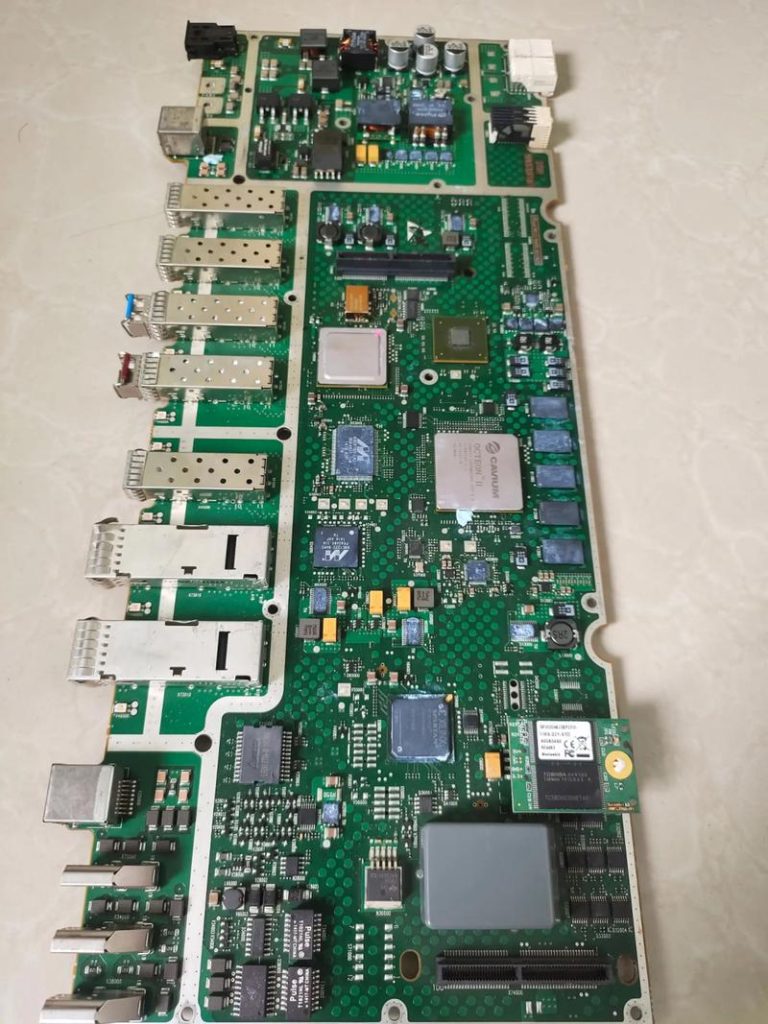
In brief, medical PCB assembly is different because it requires stronger process control, careful sourcing, detailed inspection, and clear production records. The right supplier should support the product from prototype to stable production while helping engineers improve manufacturability and reliability. For medical PCB assembly services, medical monitoring PCB assembly, quick turn medical PCB assembly, or turnkey PCBA support, you can contact EBest Circuit (Best Technology) at sales@bestpcbs.com
PakarPBN
A Private Blog Network (PBN) is a collection of websites that are controlled by a single individual or organization and used primarily to build backlinks to a “money site” in order to influence its ranking in search engines such as Google. The core idea behind a PBN is based on the importance of backlinks in Google’s ranking algorithm. Since Google views backlinks as signals of authority and trust, some website owners attempt to artificially create these signals through a controlled network of sites.
In a typical PBN setup, the owner acquires expired or aged domains that already have existing authority, backlinks, and history. These domains are rebuilt with new content and hosted separately, often using different IP addresses, hosting providers, themes, and ownership details to make them appear unrelated. Within the content published on these sites, links are strategically placed that point to the main website the owner wants to rank higher. By doing this, the owner attempts to pass link equity (also known as “link juice”) from the PBN sites to the target website.
The purpose of a PBN is to give the impression that the target website is naturally earning links from multiple independent sources. If done effectively, this can temporarily improve keyword rankings, increase organic visibility, and drive more traffic from search results.